
 ActiveCare Physical Therapy, PC
29 West 38th Street
Suite 601
New York, NY 10018




* We Accept Medicare | No Fault | Workers Comp *
The Importance of Manual Therapy in Treating Injuries
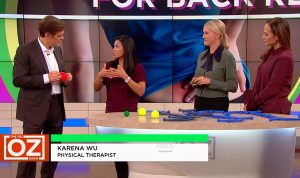
When it comes to recovering from injury, managing chronic pain, or improving mobility, manual therapy stands out as a cornerstone of effective physical rehabilitation. At ActiveCare Physical Therapy™ in New York City, led by Karena Wu PT, a Board-Certified Clinical Specialist in Orthopedic Physical Therapy, manual therapy is not just an add-on—it’s a primary treatment strategy that accelerates healing, restores function, and reduces pain.
In this post, we’ll explore what manual therapy is, why it’s essential in treating injuries, the different techniques involved, and how it fits into a comprehensive physical therapy plan.
What Is Manual Therapy?
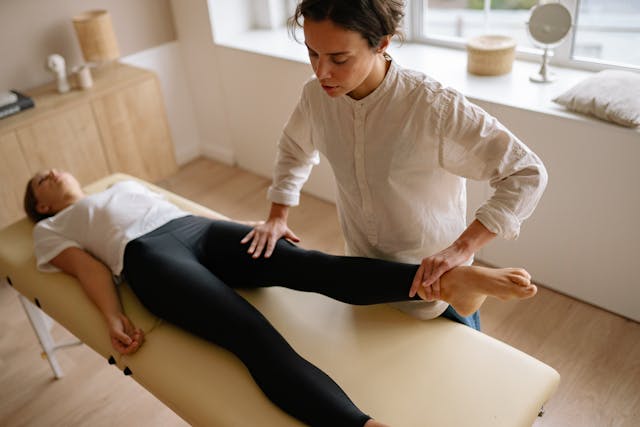
Manual therapy refers to hands-on techniques used by licensed physical therapists to assess and treat musculoskeletal pain and dysfunction. Unlike exercises or modalities like ultrasound or electrical stimulation, manual therapy involves direct contact with the patient’s body to improve tissue extensibility, mobilize joints, and reduce soft tissue restrictions.
Key Benefits of Manual Therapy
Manual therapy is highly effective for treating a wide range of conditions, including acute injuries, post-surgical rehabilitation, and chronic pain syndromes. Its primary benefits include:
- Pain relief: Mobilization of joints and soft tissues reduces mechanical stress and stimulates the nervous system to inhibit pain signals.
- Improved mobility: Manual therapy can help restore normal range of motion in joints and surrounding muscles.
- Enhanced circulation: Increased blood flow to the affected area supports tissue healing and reduces inflammation.
- Faster recovery: By breaking down scar tissue and improving movement quality, manual therapy expedites healing.
Common Manual Therapy Techniques
1. Joint Mobilization
This technique involves the passive movement of joints using controlled oscillations or sustained holds. It’s especially helpful in relieving stiffness in the spine, shoulders, hips, and knees.
2. Soft Tissue Mobilization (STM)
Soft tissue techniques are used to break down adhesions, improve tissue flexibility, and reduce muscle spasms. This may include deep tissue massage, myofascial release, and trigger point therapy.
3. Myofascial Release
This gentle yet targeted method releases restrictions in the fascia—the connective tissue that surrounds muscles and organs. It’s particularly beneficial for individuals with chronic pain or postural dysfunction.
4. Manual Stretching
A therapist-guided stretch can be more effective and safer than stretching alone. Manual stretching is often used to increase flexibility and relieve tightness in injured areas.
5. Muscle Energy Techniques (MET)
These involve the patient actively contracting muscles in a specific direction while the therapist resists. MET can realign joints, reduce muscle tightness, and improve movement.
Who Should Receive Manual Therapy?
Manual therapy is appropriate for a wide range of injuries and conditions, including:
- Low back pain and sciatica
- Neck pain and whiplash
- Shoulder impingement and frozen shoulder
- Hip and knee osteoarthritis
- Post-surgical joint stiffness
- Sports injuries like strains, sprains, and overuse syndromes
Your physical therapist will determine which techniques are best suited for your specific condition and goals.
Manual Therapy + Exercise = Optimal Results
Manual therapy is not a stand-alone solution—it’s most effective when combined with therapeutic exercise and movement re-education. Hands-on treatment helps restore mobility and relieve pain, while exercise builds strength, coordination, and long-term resilience.
At ActiveCare Physical Therapy™, manual therapy is integrated into a full-spectrum rehabilitation approach. Patients benefit from expert hands-on care followed by individualized corrective exercise programs to ensure lasting results.
Conclusion
Manual therapy plays a vital role in physical therapy by accelerating healing, improving function, and reducing pain. Its effectiveness lies in the therapist’s hands-on ability to diagnose, treat, and improve movement at a deep and targeted level.
If you’re experiencing pain, recovering from an injury, or simply want to move better, manual therapy could be the game-changer in your recovery journey.
Contact Information
ActiveCare Physical Therapy™
29 West 38th Street, Suite 601
New York, NY 10018
Phone: (212) 777-4374
Email: staff@bestptnyc.com
Website: https://activecarephysicaltherapy.com