
About ActiveCare Physical Therapy®
The Best Physical Therapists in NYC
-
Our therapists are licensed in New York State and active members in the American Physical Therapy Association. We have advanced training in joint mobilization and myofascial release techniques.
-
We are dedicated practitioners with a passion for the profession and a comprehensive, holistic approach to treatment and healing. We treat each patient as an individual and treat the whole person, with a plan of care designed to meet the patient’s set goals for health, functionality and a return to work, tasks and activities. We network with a team of physicians, chiropractors, acupuncturists and massage therapists in order to provide guidance to other modalities that may be effective in the patients’ care. We also offer superior Telehealth services for physical therapy.
-
Physical Therapist and owner Dr. Karena Wu PT, DPT, OCS is a graduate of the Program in Physical Therapy at Columbia University and is affiliated with several healthcare organizations in New York City. She is certified as a Strength and Conditioning Specialist, Kinesio Taping Practitioner and Pilates Instructor, and uses SpiderTech Taping. She is also a Certified Orthopedic Manual Therapist, Strength and Conditioning Specialist, Graston Technique® Specialist and Pilates Instructor. She holds LSVT BIG, FMS and SFMA Level 1 certifications as well. Dr. Wu also specializes in vertigo and temporomandibular joint disorders.
-
ActiveCare is primarily an out-of-network facility. We accept all insurance with out-of-network benefits and file for most major insurance plans. We work with all prospective patients to create workable payment plans regardless of insurance coverage.
-
ActiveCare accepts Medicare, No-Fault and Workers Compensation patients depending on schedule availability.
-
ActiveCare’s administrators provide seamless and efficient concierge-style client service to all of our patients. And the whole ActiveCare team makes sure your time with us is a beneficial, productive and enjoyable experience.
Quick Links
Manual Therapy Bursitis Plantar Fascitis Meniscus Tears Labral Tears Kinesiology Taping Pilates Rehab
Visit Our Main Website:
www.ActiveCarePhysicalTherapy.com
Blog Posts Are Below:
* We Accept Medicare | No Fault | Workers Comp *
Category Archives: Best Physical Therapist for Runners
Injury Prevention for Runners
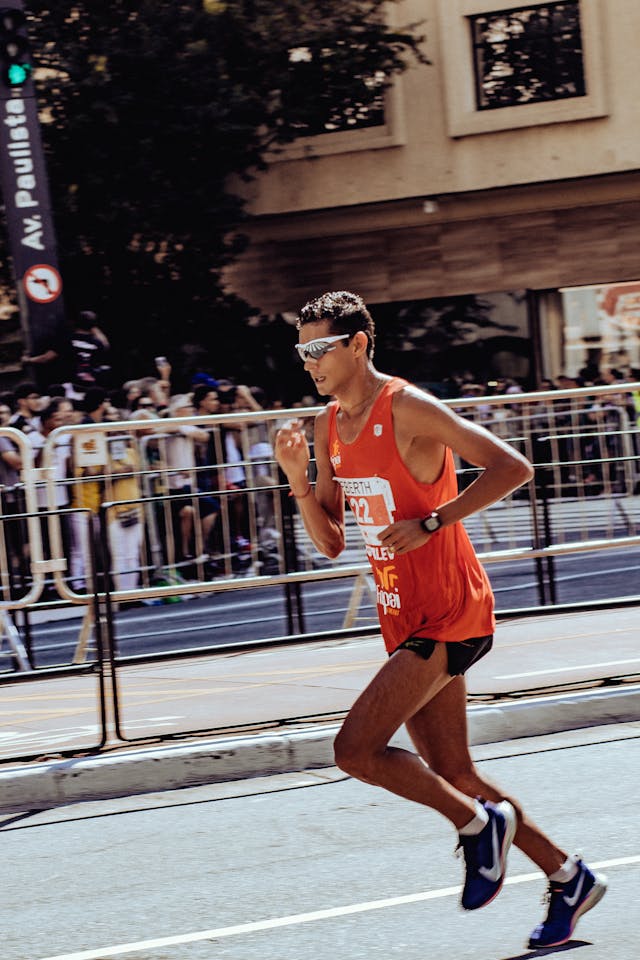 Injury prevention for runners is essential for maintaining consistent training, improving performance, and avoiding setbacks that can interrupt progress. Running is one of the most accessible and beneficial forms of exercise, but the repetitive nature of the sport places significant stress on muscles, joints, and connective tissues. Without proper preparation and recovery strategies, runners may develop overuse injuries that affect their ability to continue training.
Physical therapy plays a major role in helping runners stay healthy by identifying movement imbalances, improving strength and mobility, and guiding runners toward safer training habits.
Why Running Injuries Are So Common
Running injuries often develop gradually rather than from a single traumatic event. The repetitive impact forces experienced with every stride can lead to cumulative stress on the body. When muscles become fatigued or movement patterns are inefficient, the risk of injury increases.
Many injuries occur when training intensity increases too quickly, when footwear is inappropriate, or when underlying muscle weaknesses go unaddressed. Physical therapists frequently see runners who unknowingly compensate for these issues until pain appears.
Common Running Injuries
Runners may experience a variety of musculoskeletal conditions, many of which are preventable with proper training and conditioning.
- Runner’s knee (patellofemoral pain syndrome)
- Shin splints (medial tibial stress syndrome)
- Achilles tendonitis
- Plantar fasciitis
- Iliotibial band syndrome (IT band syndrome)
- Stress fractures
These injuries typically arise from repetitive loading, muscle imbalances, and biomechanical inefficiencies.
How Physical Therapy Supports Injury Prevention
Physical therapists evaluate the way a runner moves to identify patterns that may contribute to injury risk. By analyzing posture, stride mechanics, flexibility, and muscle activation, therapists can develop targeted strategies to improve running efficiency.
Movement and Gait Analysis
A detailed gait assessment allows therapists to observe how the body absorbs impact with each step. Issues such as excessive pronation, hip drop, or poor knee alignment can often be identified and corrected through training and strengthening exercises.
Strength Training for Runners
Strong supporting muscles help absorb the forces generated during running. Weakness in the hips, glutes, and core can lead to excessive strain on the knees and lower legs.
Strengthening these areas helps stabilize the pelvis and improve stride mechanics, reducing injury risk.
Mobility and Flexibility Work
Tight muscles can limit range of motion and force the body to compensate during running. Improving flexibility in the hips, calves, hamstrings, and ankles helps maintain efficient movement patterns.
Training Load Management
One of the most common causes of injury is increasing mileage or intensity too quickly. Physical therapists help runners structure training plans that allow gradual progression while giving tissues time to adapt.
Key Strategies for Injury Prevention
Successful injury prevention requires a combination of smart training habits and body awareness.
- Gradually increase mileage and intensity
- Incorporate strength training into your weekly routine
- Prioritize proper warm-ups and cool-downs
- Wear appropriate running shoes and replace them regularly
- Listen to early warning signs such as persistent soreness or joint pain
Paying attention to these strategies can significantly reduce the likelihood of developing overuse injuries.
The Role of Recovery in Preventing Injuries
Recovery is just as important as training when it comes to injury prevention for runners. Adequate rest allows muscles and connective tissues to repair and adapt to training demands.
Active recovery activities such as mobility exercises, foam rolling, and low-impact cross-training can help reduce stiffness and maintain overall fitness while allowing the body to recover.
When Runners Should Seek Professional Help
If pain persists during or after running, it is important not to ignore the symptoms. Continuing to run through pain can worsen underlying issues and prolong recovery.
A physical therapist can evaluate the source of the discomfort and provide corrective strategies before the problem develops into a more serious injury.
Conclusion
Injury prevention for runners involves more than simply logging miles. Proper strength training, mobility work, running mechanics, and recovery strategies all play a role in keeping runners healthy.
Physical therapy provides valuable insight into movement patterns and helps address the underlying causes of injury risk. With the right guidance and training approach, runners can continue pursuing their goals while protecting their long-term musculoskeletal health.
Contact Information
ActiveCare Physical Therapy™
29 West 38th Street, Suite 601
New York, NY 10018
Phone: (212) 777-4374
Email: staff@bestptnyc.com
Website: https://activecarephysicaltherapy.com
Get Back Into Running Post-Injury With This Interval Cardio Program
From Popsugar.com:
 We are well into 2020 and everyone should have started their new year’s fitness routine. It was a stunning weekend to take your exercise outdoors and I saw a lot of runners in the East River Park on both Saturday and Sunday. Temperatures were in the middle 60’s in the middle of January! Many were running but the pavement is different than a treadmill. Also, a large majority of runners get hurt due to the repetitive stress and high impact nature of the sport of running.
NYC’s Best Physical Therapist Dr. Karena Wu coaches her clients on how to return to running when recovering from an injury. Running requires a gradual reintroduction of the elements and takes patience and education. When done correctly, it can get your back to your sport without reinjury. To learn the tips, click on the story here.
Full article link: https://www.popsugar.com/fitness/post-running-injury-cardio-workout-46936765
4 Ways Running Affects Your Body Later In Life — The Good & The Bad
 International marathons are all the rage now. More and more people are adding running to their exercise regime. ActiveCare Physical Therapy treats runners, both short and long distance runners. NYC Best Physical Therapist Dr. Karena Wu comments on the genetic component of the long term effects of running. Other effects are also discussed about how running affects the body. To see the article, click here.
 ActiveCare Physical Therapy, PC
29 West 38th Street
Suite 601
New York, NY 10018