
 ActiveCare Physical Therapy, PC
29 West 38th Street
Suite 601
New York, NY 10018




* We Accept Medicare | No Fault | Workers Comp *
Shoulder Injuries Such as Frozen Shoulder and SLAP Tears
 Shoulder injuries are among the most common musculoskeletal conditions treated by physical therapists. Whether you’re an athlete, an office worker, or simply trying to stay active, shoulder pain can make even the simplest daily tasks—reaching for a cabinet, fastening a seatbelt, lifting groceries, or sleeping comfortably—difficult. Two of the most frequently diagnosed shoulder conditions are frozen shoulder and SLAP tears. Although both can cause pain and limited function, they have different causes, symptoms, and treatment approaches.
The good news is that many shoulder injuries respond exceptionally well to conservative treatment, especially when physical therapy begins early. A personalized rehabilitation program can reduce pain, restore mobility, strengthen the surrounding muscles, and help patients return to their normal activities while minimizing the risk of future injuries.
Understanding the Complexity of the Shoulder
The shoulder is the most mobile joint in the human body, allowing you to lift, rotate, push, pull, and throw with remarkable freedom. However, this impressive range of motion also makes it one of the least stable joints.
The shoulder depends on a combination of bones, ligaments, tendons, muscles, and cartilage working together in perfect coordination. When one structure becomes injured or inflamed, it often affects the mechanics of the entire shoulder complex, resulting in pain, weakness, and reduced movement.
What Is Frozen Shoulder?
Frozen shoulder, also known as adhesive capsulitis, occurs when the capsule surrounding the shoulder joint becomes inflamed and progressively tightens. As the capsule thickens, scar tissue develops, dramatically limiting shoulder motion.
Unlike many injuries that occur suddenly, frozen shoulder usually develops gradually over several months and often progresses through three stages.
The Freezing Stage
Pain slowly increases while shoulder motion becomes more difficult. Many people first notice discomfort when reaching overhead or sleeping on the affected side.
The Frozen Stage
Pain may begin to decrease somewhat, but stiffness becomes the primary problem. Activities such as dressing, reaching behind the back, or washing hair can become extremely challenging.
The Thawing Stage
Mobility slowly returns as the shoulder capsule loosens. Recovery can take several months or even more than a year without appropriate treatment.
Frozen shoulder is more common in adults between the ages of 40 and 60 and occurs more frequently in individuals with diabetes, thyroid disorders, or after prolonged shoulder immobilization following surgery or injury.
What Is a SLAP Tear?
A SLAP tear refers to an injury of the superior labrum, the ring of cartilage that surrounds the shoulder socket. “SLAP” stands for Superior Labrum Anterior to Posterior, describing the location of the tear.
The labrum helps stabilize the shoulder by deepening the socket and providing an attachment point for the biceps tendon.
SLAP tears commonly occur from:
- Falls onto an outstretched arm
- Repetitive overhead sports such as baseball, volleyball, tennis, or swimming
- Heavy lifting
- Sudden pulling injuries
- Age-related wear and degeneration
Unlike frozen shoulder, patients with a SLAP tear often retain much of their shoulder motion but experience pain during specific movements, especially overhead activities.
Common Symptoms of Shoulder Injuries
Although symptoms vary depending on the diagnosis, many shoulder injuries share similar warning signs.
Pain with Movement
Pain may occur when reaching overhead, lifting objects, reaching behind the back, or throwing.
Night Pain
Many patients report worsening pain while sleeping, especially when lying on the injured shoulder.
Weakness
Difficulty lifting objects or performing activities that previously felt easy often indicates involvement of the rotator cuff or labrum.
Limited Motion
Frozen shoulder typically causes severe stiffness, while SLAP tears usually create pain during motion rather than significant restriction.
Clicking or Catching
Some patients with SLAP tears describe popping, clicking, or catching sensations deep inside the shoulder.
How Physical Therapy Helps Shoulder Injuries
Physical therapy is often one of the first recommendations for treating both frozen shoulder and many SLAP tears. Treatment focuses on addressing the underlying cause of dysfunction rather than simply reducing pain.
During the initial evaluation, your physical therapist examines shoulder mobility, strength, posture, movement patterns, and functional limitations before developing an individualized treatment plan.
Pain Reduction
Early treatment often focuses on decreasing inflammation and calming irritated tissues through manual therapy, gentle mobility exercises, activity modification, and other evidence-based interventions.
Restoring Range of Motion
For frozen shoulder, carefully progressed stretching and joint mobilization techniques help gradually improve shoulder mobility while minimizing discomfort.
Strengthening Weak Muscles
As pain improves, strengthening exercises target the rotator cuff, shoulder blade stabilizers, and core muscles to improve joint stability and mechanics.
Correcting Movement Patterns
Many shoulder injuries are influenced by poor posture or abnormal shoulder blade movement. Physical therapists identify these issues and teach patients how to move more efficiently.
Returning to Sports and Daily Activities
Whether your goal is returning to competitive athletics, lifting your child, or simply reaching overhead without pain, rehabilitation progresses toward restoring confidence and function safely.
When Should You Seek Professional Care?
While minor muscle soreness often resolves with rest, persistent shoulder pain deserves professional evaluation. Delaying treatment may allow stiffness, weakness, or compensatory movement patterns to worsen over time.
You should schedule an evaluation if you experience:
- Shoulder pain lasting longer than one to two weeks
- Difficulty lifting your arm overhead
- Progressive stiffness or loss of motion
- Pain that interrupts sleep
- Weakness that affects everyday activities
- Clicking, catching, or instability following an injury
Early intervention frequently leads to faster recovery and may help some patients avoid injections or surgery.
Can Surgery Be Avoided?
Not every shoulder injury requires surgery. Many patients with frozen shoulder recover successfully through physical therapy alone, although recovery may require patience and consistent participation in a home exercise program.
Similarly, many individuals with SLAP tears—particularly older adults or those who are not high-level overhead athletes—can achieve excellent results through conservative treatment. Surgery is generally reserved for cases involving persistent pain, significant instability, or failure to improve after an appropriate rehabilitation program.
Working closely with your physician and physical therapist allows for the most appropriate treatment decisions based on your diagnosis, activity level, and personal goals.
Take the First Step Toward a Healthier Shoulder
Shoulder pain doesn’t have to become a permanent part of your life. Whether you’re struggling with frozen shoulder, recovering from a SLAP tear, or experiencing unexplained shoulder pain, early evaluation and individualized rehabilitation can make a tremendous difference.
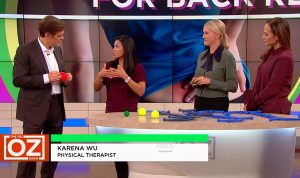
Karena Wu, PT, Board-Certified Clinical Specialist in Orthopedic Physical Therapy, and the experienced team at ActiveCare Physical Therapy provide comprehensive evaluations and customized treatment programs designed to relieve pain, restore mobility, and help you return to the activities you enjoy with confidence.
Contact ActiveCare Physical Therapy
29 West 38th Street, Suite 601
New York, NY 10018
Phone: (212) 777-4374
Email: staff@bestptnyc.com
Website: https://activecarephysicaltherapy.com/